Finding a quality instrument rental in your area comes down to evaluating three core factors: flexible rental terms that let you upgrade or return without penalty, transparent pricing with no hidden fees, and a selection of well-maintained instruments from trusted brands. Local music stores, school-affiliated programs, and regional rental chains each offer distinct advantages, but the best choice depends on your timeline, budget, and whether you’re testing the waters or committed to long-term study.
Renting locally gives you hands-on evaluation before you commit, immediate access when lessons start, and face-to-face support when instruments need adjustments or repairs. For students joining school ensembles, band instrument rental programs often provide the most streamlined path, with delivery coordinated around the academic calendar and maintenance built into monthly fees. Adults exploring a new instrument appreciate the ability to swap a clarinet for a saxophone after a few months, while parents value rent-to-own models that convert payments into equity if a child sticks with music.
The rental landscape has evolved considerably. Many providers now sync their inventory with online music education platforms, recognizing that students learning virtually still need physical instruments that meet quality standards. You’ll encounter month-to-month agreements, semester contracts, and multi-year plans with purchase options, each designed for different commitment levels.
This guide walks you through the decision framework that experienced music educators use when advising students. You’ll learn which contract terms protect your interests, how to spot overpriced rental packages, what maintenance responsibilities fall on you versus the provider, and which red flags signal a rental agreement you should avoid. Whether you’re securing a trumpet for a sixth-grader’s first band rehearsal or trying a digital piano before investing in lessons, understanding these evaluation criteria ensures you’ll find an instrument that supports your musical journey without unnecessary expense or frustration.
What to Look for When Choosing a Local Instrument Rental Service
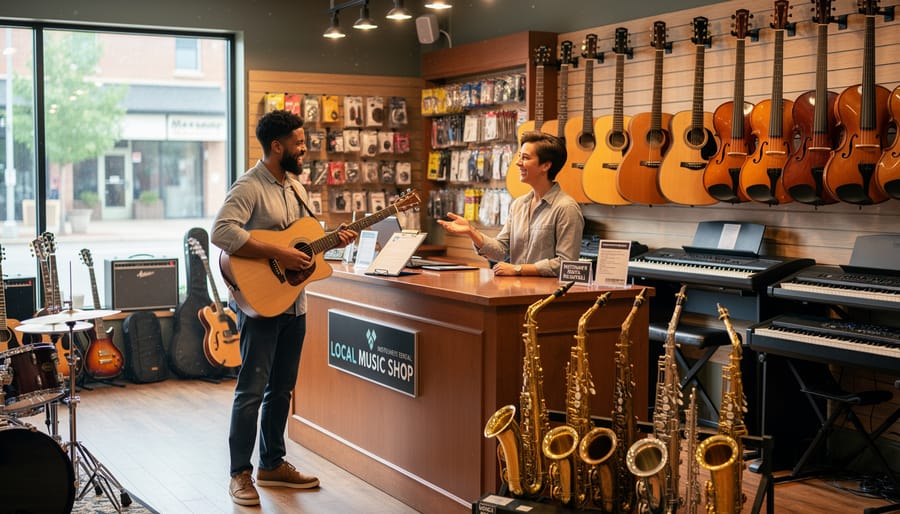
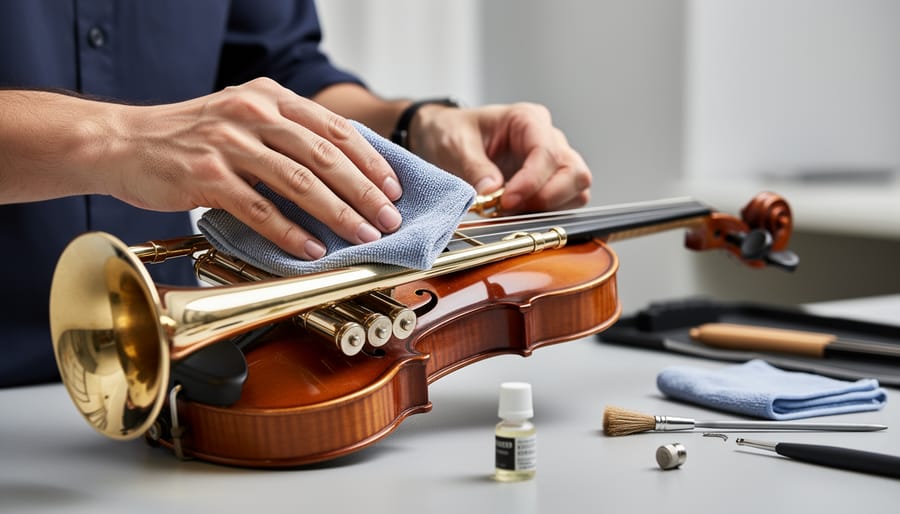
The right rental service protects your investment and supports your musical progress, so knowing what to evaluate saves money and frustration down the road. Start with instrument quality and condition, inspect any rental before you take it home. Look for clean surfaces, smooth mechanical action on keys or valves, tight tuning pegs, and no cracks or dents that affect playability. A reputable provider maintains their inventory properly and won’t hand you something that hampers your learning. If they hesitate to let you test the instrument or rush you through pickup, that’s a red flag.
Rental terms and flexibility matter more than you might think. Some agreements lock you into year-long commitments with penalties for early return, while others offer month-to-month arrangements. Check whether you can pause rentals during summer breaks or extend without reapplying. The best services accommodate real life, your teenager might lose interest, you might move cities, or your schedule could shift. Inflexible terms trap you in paying for something you’re not using.
Pricing structure requires careful attention because advertised rates rarely tell the whole story. Beyond the monthly fee, watch for security deposits, setup charges, delivery fees, and mandatory insurance add-ons. Calculate the total cost over the timeframe you expect to rent. Some programs apply rental payments toward purchase, while others pocket every dollar with no equity built. A slightly higher monthly rate that credits toward ownership often beats a cheaper rental that accumulates no value.
Maintenance and repair support separates good rental experiences from nightmares. Instruments need adjustments, and things break even with careful use. Ask upfront who handles maintenance, how quickly they respond, and whether you’re responsible for damage costs. The best providers include routine maintenance in your rental fee and offer loaner instruments during repairs. Others charge you for every adjustment or leave you without an instrument for weeks while they send yours out for professional repair. Knowing the repair policy before you sign prevents disputes later.
Upgrade and purchase options give you flexibility as skills improve. You might start on a student-model clarinet and want to move up to intermediate quality within months. Some services let you swap instruments seamlessly, applying part of your rental history to the upgrade. Others treat each rental as a separate transaction. Similarly, check the purchase buyout terms, what percentage of rental payments counts toward ownership, and what’s the final purchase price? Programs that offer clear pathways from rental to ownership work well for committed students.
Proximity and accessibility might seem obvious, but they matter practically. A rental shop fifteen minutes away means quick help when a violin string breaks the night before a recital. Convenient locations reduce the friction of returns, pickups, and service visits. However, some online platforms now offer local pickup points or partner with nearby shops, giving you competitive pricing with reasonable accessibility. Balance convenience against other factors rather than choosing solely based on location.
Types of Local Instrument Rental Programs Compared
Local instrument rental programs vary significantly in structure, commitment, and cost. Understanding each model helps you match the right program to your timeline and goals.
Traditional music store rentals remain the most common option in most communities. These programs typically operate on month-to-month agreements with no long-term commitment required. You select an instrument, pay a monthly fee (usually $25, $75 depending on the instrument), and can return it whenever you decide to stop. Many rental companies near me include basic maintenance and one free repair per rental period. This flexibility makes traditional rentals ideal for beginners who aren’t certain they’ll stick with their instrument beyond a few months, or for families testing whether a child will maintain interest before investing in a purchase.
Rent-to-own programs take a different approach by applying a portion of your monthly payments toward eventual ownership. These arrangements typically run 12 to 36 months, with 50-80% of rental fees credited toward the instrument’s purchase price. Monthly costs run slightly higher than traditional rentals, often $40, $100, but you build equity with every payment. Rent-to-own works best for committed students who know they want to own their instrument but need to spread the cost over time. The main trade-off is less flexibility, ending the agreement early means losing your accumulated equity in most programs.
School-affiliated rental programs partner with local music stores to offer instruments specifically for band and orchestra students. Schools negotiate group rates that often undercut individual rental prices by 15-25%. These programs align rental periods with the academic calendar and sometimes include delivery directly to the school. Instrument selection focuses on standard band instruments rather than specialty items. Parents appreciate the convenience and vetted quality, though choices are limited to the school’s partner providers.
Short-term and event rentals cater to temporary needs, a wedding performance, a recording session, or covering for an instrument in the shop. Rental periods range from a single day to a few weeks, with daily rates of $15, $50 or weekly rates around $75, $200 depending on the instrument’s value. Music stores offering this service typically require a deposit equal to 20-50% of the instrument’s retail value. This model serves working musicians who need specific instruments occasionally, or students participating in special performances requiring instruments they don’t own.
Online platforms with local pickup combine digital convenience with in-person service. These services let you browse inventory, compare prices, and reserve instruments through a website or app, then pick up from a nearby location or arrange delivery. Some operate as marketplaces connecting multiple local providers; others represent single stores with enhanced digital presence. Pricing mirrors traditional rentals, but the selection often surpasses what a single physical store stocks. This hybrid approach appeals to tech-comfortable renters who want options but value the security of face-to-face pickup and local accountability.
| Rental Type | Typical Duration | Best For | Pricing Structure |
|---|---|---|---|
| Traditional Store Rental | Month-to-month | Beginners, short-term needs | $25, $75/month, no equity |
| Rent-to-Own | 12-36 months | Committed students building toward ownership | $40, $100/month, 50-80% applies to purchase |
| School-Affiliated | Academic year | Band/orchestra students | 15-25% below standard rates |
| Short-Term/Event | Days to weeks | Temporary needs, special performances | $15, $50/day or $75, $200/week |
| Online with Local Pickup | Varies | Tech-comfortable renters wanting selection | Comparable to traditional, wider inventory |
Each model serves distinct situations. Consider how long you need the instrument, whether you plan to eventually own it, and how much flexibility matters in your decision. The right rental type aligns with both your musical goals and your practical constraints.
Finding the Right Rental for Your Situation

Different renters face different challenges, and the ideal rental arrangement varies dramatically depending on your situation. Here’s how to match your specific needs with the right local rental program.
Beginners Exploring Their First Instrument
If you’re testing the waters with music for the first time, prioritize flexibility over commitment. Look for month-to-month rental agreements that let you switch instruments if your initial choice doesn’t click. Many local shops offer trial periods of 30 to 60 days with minimal upfront cost, perfect for discovering whether you genuinely enjoy playing before investing hundreds in lessons and accessories. Choose providers with generous return policies and avoid long-term contracts until you’re certain about continuing. A basic student-grade instrument is perfectly adequate at this stage, upgrading later is always an option once you’ve developed some skill and confidence.
Students Needing School Band Instruments
School band programs create predictable, time-bound needs that rental services understand well. Students and parents benefit most from academic-year rental plans that align with the school calendar, typically running September through June with summer storage options. Confirm that your rental provider stocks instruments meeting your band director’s specifications, many schools require specific brands or models for ensemble consistency. Ask about group discounts if multiple families from your school rent simultaneously. Rent-to-own programs make particular sense here since most students continue through multiple years, and accumulated rental payments can eventually cover the instrument’s purchase price.
Parents Renting for Children
When renting for kids, account for growth, changing interests, and the inevitable bumps and scratches. Choose providers with damage protection plans specifically designed for young players, repair costs for a dropped trumpet or a saxophone with sticky keys add up quickly. Size matters tremendously: violins, cellos, and guitars come in fractional sizes, and your child will need exchanges as they grow. Seek rental agreements that include free size upgrades without penalties or restocking fees. Consider the total time commitment realistically; if your child tends to cycle through hobbies quickly, shorter rental terms prevent you from paying for an unused instrument gathering dust.
Before selecting any rental program, ask yourself these quick questions:
- How long do I realistically plan to need this instrument?
- What’s my monthly budget including potential repairs and accessories?
- Do I eventually want to own the instrument or just rent temporarily?
- How important is the ability to switch or upgrade instruments?
- What level of damage protection do I need for my situation?
Adults Returning to Music
Returning players often know what they want but may need temporary arrangements while deciding whether to recommit fully. If you played in high school and haven’t touched an instrument in 20 years, a three-to-six-month rental lets you rediscover your musical identity without immediately spending thousands. You might prefer intermediate or professional-grade instruments since your ear and technique may return faster than you expect, making beginner instruments feel limiting. Flexible rental-to-purchase options work well here, you can apply rental payments toward buying if you decide to continue seriously.
Musicians Needing Temporary Instruments During Repairs
When your primary instrument is in the shop for major repairs or restoration, short-term rentals keep you practicing and performing. Contact local shops about weekly or event-based rental rates rather than monthly plans, which can save considerably for brief periods. Some repair shops offer loaner instruments while yours is being serviced, sometimes at no additional charge if the repair costs exceed a certain threshold. Prioritize providers with same-day availability and minimal paperwork since you need a quick solution, not a lengthy application process.
Common Mistakes to Avoid When Renting Locally
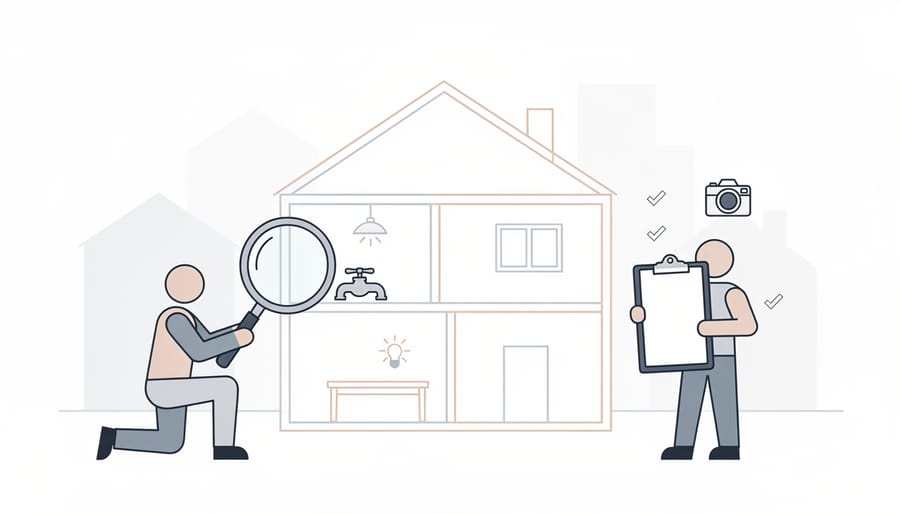
Many first-time renters make avoidable mistakes that cost them money or frustration later. Understanding these common pitfalls before you sign a rental agreement can save you from unexpected fees, damaged instruments, and contractual headaches that derail your musical progress.
Skipping the Fine Print
The rental contract contains crucial details that many renters gloss over in their eagerness to take an instrument home. Late fees, damage policies, renewal terms, and return procedures are all buried in that document you’re signing. Set aside 15 minutes to read every clause, especially sections about what happens if you miss a payment, how damage is assessed, and what your options are after the initial rental period. If something is unclear, ask the staff to explain it in plain language before you commit. A contract you don’t understand is a contract that will surprise you later.
Dismissing Insurance Coverage
Some renters view instrument insurance as an unnecessary expense, but a single accident can wipe out months of rental payments. A dropped violin, a dented trumpet from a locker mishap, or water damage from a spilled drink can result in repair bills exceeding what you’ve paid in rent. Most rental insurance costs just a few pounds per month and covers repairs, replacement, and sometimes theft. Compare the small monthly fee against the potential cost of replacing a damaged instrument out of pocket. The peace of mind alone makes it worthwhile, especially for children carrying instruments to and from school.
Take pictures from multiple angles, zoom in on any existing wear, and have staff initial a condition report before you leave the shop. This documentation protects you when you return the instrument.
Choosing the Cheapest Option Without Context
The lowest monthly rate often masks higher total costs. A bargain rental might come with poor-quality instruments that hinder your learning, no maintenance support when strings break, or punitive terms that lock you into a long contract. Calculate the total cost over your expected rental period, factor in what’s included (maintenance, accessories, upgrades), and assess the instrument’s condition. A slightly higher monthly payment that includes free string replacements and swap options usually delivers better value than a bare-bones cheap rental that nickel-and-dimes you for every service.
Ignoring Your Exit Strategy
Renters often fail to clarify what happens when they want to stop renting, whether that’s next month or next year. Does your contract auto-renew monthly or lock you in for a full year? What credits apply if you decide to purchase? What condition must the instrument be in for return? Understanding these terms upfront lets you plan realistically. If you think you might buy within six months, a rent-to-own program makes sense. If you’re genuinely unsure about commitment, choose a month-to-month arrangement even if it costs slightly more. Flexibility has value when your plans change.
Questions to Ask Before You Sign
Walking into a rental shop armed with the right questions transforms what could be an intimidating transaction into a confident decision. Think of this conversation as a fact-finding mission, not an interrogation. Most rental providers genuinely want happy customers, and they’ll appreciate your thoroughness.
Start with the contract basics. Ask exactly what your monthly rate includes and whether it covers routine maintenance, string changes, or reed replacements. Find out if there’s a grace period for late payments and what happens if you miss one. Get clear on the minimum rental period, some shops require three months, others six, and breaking early might trigger fees that wipe out any savings.
Damage coverage deserves its own conversation. Ask what’s considered normal wear versus damage that triggers charges. Does the shop offer optional insurance, and is it worth the cost compared to your homeowner’s or renter’s policy? Request specific examples of what would and wouldn’t be covered, like a cracked violin bridge versus a dropped trumpet.
Can I upgrade to a better instrument mid-rental?
Most local shops allow upgrades with some or all of your previous rental payments credited toward the new instrument. Ask about their specific upgrade policy and whether credits expire.
What happens if I need to return the instrument early?
Policies vary widely, some shops charge early termination fees, others don’t if you’ve met the minimum rental period. Always ask before signing.
Do rental payments count toward purchasing the instrument?
Many rent-to-own programs credit 50-100% of payments toward purchase within a certain timeframe. Clarify the percentage, time limit, and whether it applies to any instrument or only the one you’re renting.
The purchase path question matters even if you’re not ready to buy yet. Some programs let you apply six months of payments toward ownership, others twelve. Ask whether those credits work only for your current instrument or if you can switch models. Find out if the purchase price is fixed when you start renting or if it floats with market rates.
Don’t leave without understanding your maintenance responsibilities. Who pays for professional cleaning? What about emergency repairs during a performance weekend? Knowing these answers upfront prevents unpleasant surprises when your clarinet needs adjustment the night before a recital.
Choosing the right local instrument rental service sets the foundation for a rewarding musical journey. By taking the time to evaluate your options thoughtfully, comparing rental terms, inspecting instrument quality, understanding the full cost structure, and asking the right questions, you’re not just securing an instrument; you’re investing in your growth as a musician without the immediate financial commitment of purchasing.
The best rental decision is one that aligns with your current needs while leaving room for your goals to evolve. Whether you’re a parent supporting a child’s first band class, an adult rekindling a lifelong passion, or a student exploring a new instrument, local rentals offer the flexibility to learn and adapt at your own pace.
Remember, the instrument is only part of the equation. Pairing a quality rental with effective instruction amplifies your progress. At Greenwych, we complement your local rental experience with accessible online lessons that fit your schedule, connecting you with expert teachers who understand your journey. Together, the right instrument and the right guidance create the perfect environment for musical discovery and achievement.